What are the 4 most used massage techniques
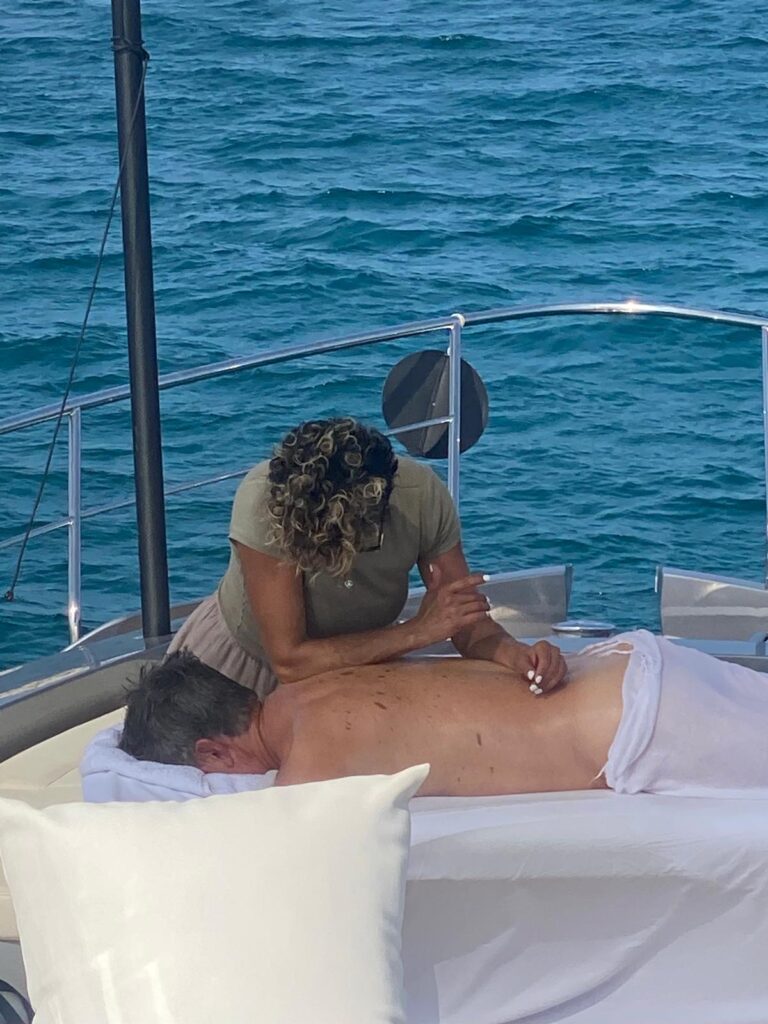
Tabla de contenidos
ToggleThe basis of well-being: Understanding the language of the hands
When you lie down on a stretcher, close your eyes and give yourself to the care of a therapist, it’s easy to think that what happens next is simply “scrub” or “squeeze”. However, behind each movement, each change in pressure and each rhythm, there is a precise science studied for centuries.
Massage is not a random act; It is a dialogue between the hands of the professional and your nervous system. For that dialogue to be effective, there are Four fundamental pillars, four letters of the alphabet with which all the manual therapies you know are written.
Today we are going to deepen, with a Expert but close perspective, in which are the 4 most used massage techniques: friction (effleurage), kneading (petrissage), friction and percussion (tapotement). Understanding them is not only fascinating, but it will help you identify the quality of the service you are receiving and understand what your body needs at all times.
These four maneuvers are the basis of modern Western massage therapy (mainly from Swedish massage) and mastering them is what differentiates an amateur from a true wellness professional.
1. The friction or Effleurage: The art of slipping
The touch, technically known as Effleurage (From the French “scrub” or “touch lightly”), it is probably the technique that you most associate with relaxation. It is the “Welcome” and “Farewell” movement in almost any session.
What does it consist of?
It consists of making long, fluid and continuous passes with the palms of the hands, the forearms or the fingers, sliding on the skin. Generally, the direction of the muscle fibers is followed and directed towards the heart to promote venous return.
What is it really for?
Although it seems simple, Effleurage Fulfills vital functions:
HEATING: Prepare the tissues by slightly raising the temperature of the skin and the superficial muscles.
EVALUATION: Allows the therapist to “scan” your body. With these long passes, we detect where there is tension, temperature changes or knots before applying pressure.
Sliding medium distribution: It is the way to spread the oil or cream evenly.
Nervous connection: It is essential to calm the sympathetic nervous system.
When you are looking to disconnect after a stressful week, this is the star technique. In fact, the predominance of long, slow and enveloping passes is what defines the experience of a Relaxing massage in Ibiza, where the main objective is to sedate the mind and harmonize the body without causing pain.
2. Kneading or Petrissage: Working the depth
If rubbing is caress, kneading (d)Petrissage) is hard work. Its name says it all: the movement is very similar to that made by a baker when working the dough.
The lifting technique
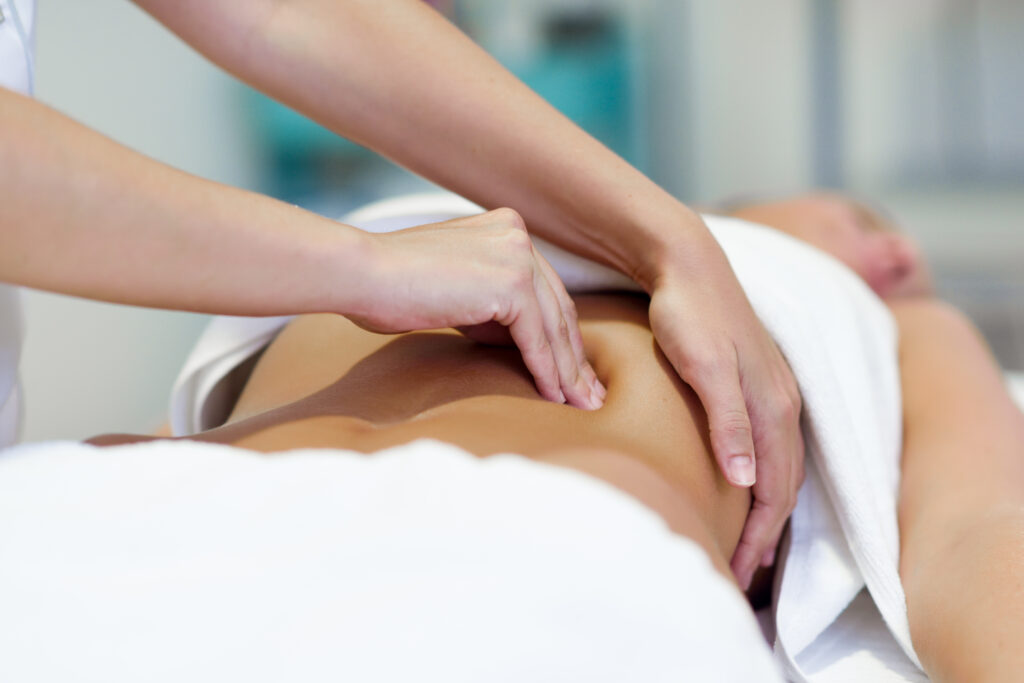
Here, the therapist doesn’t just slip. Hands grab, lift, squeeze and roll the muscle tissue and skin. The muscle is momentarily detached and compressed. It is a technique that requires strength and control so as not to pinch the skin (which would be annoying), but to work the muscle belly.
Are you looking for a masseur near you? We arrive where you are: your accommodation, private event, spiritual retreat or yacht. We take the healing energy of the massage to any corner of the island.
Deep physiological benefits
Kneading is vital for muscle detoxification. Repeatedly compressing and releasing the fabric creates a “pumping” effect that:
Improves circulation: It forces old and stagnant blood to get out of the muscle and allows new oxygen-rich blood to enter.
Eliminates metabolic waste: Helps drain accumulated lactic acid after exercise.
Flexibility: Reduces muscle stiffness and improves mobility.
It is a technique that feels “tasteful” but intense, perfect for meaty areas such as the thighs, buttocks and trapezoids.
3. Friction: Surgical Precision Against Pain
When we say “there, right there it hurts”, the technique that comes into play is the friction. Unlike the previous ones, which cover large areas, friction is a small, concentrated and very deep movement.
breaking adhesions
It is usually done with the thumbs, the fingertips or even the elbow. The movement is usually circular or transverse (crossing the muscle fibers) and is applied directly to a specific tension zone, a knot or scar tissue.
The objective is not to relax superficially, but Break adhesions. Muscle fibers sometimes “glue” to each other forming knots; Mechanical friction generates internal heat and separates these fibers so that the muscle works properly again.
The role in recovery
Due to its intensity, this technique is fundamental in the athletic field. For example, when we treat runners or cyclists who need to recover their legs to retrain the next day, we use deep friction as a pillar of a good Sports massage in Ibiza, making sure to dissolve any restrictions that may limit performance or cause future injuries.
[Te puede interesar]
Sometimes we confuse massage with other therapeutic disciplines. If you have doubts about which professional you need to treat your ailment, we recommend you read this article where we clarify What are the differences between physiotherapy and osteopathy? for you to choose with total security.
4. Percussion or Tapotement: the rhythm that awakens
If you’ve ever seen those quick blows with the singing of your hand on your back in movies, that’s the percussion or Tapotement. It is by far the most rhythmic and stimulating technique.
Types of percussion
It’s not just “hitting”. There are very precise variants:
hacked: Blows with the ulnar edge (singing) of the hands.
clutching (cupping): Kicks with a cupped hand, creating a sound of emptiness. Very useful for mobilizing secretions in the lungs (clapping).
Punctual: Quick blows with fingertips (such as raindrops), usual on the face or head.
Relax or activate?
Interestingly, percussion has a dual effect. If it becomes soft and prolonged, it can be relaxing due to nerve exhaustion. But its main use is stimulating. Awakens the nervous system, increases blood flow to the skin at once (hyperemia) and tones the muscle. It is very common to see her at the end of a pre-competition sports massage to get the athlete ready for action, or at the end of a session so that the client does not “sleep” home.
FAQs on techniques and types of massage
to prove our experience And help you navigate the world of massage, we have collected and answered the most common doubts we receive.
What are the 5 most common types of massages?
Although there are hundreds of modalities, the 5 “big” you will find in most service menus are:
Swedish massage: The Western base, focused on relaxation and circulation.
Deep tissue massage (Deep Tissue): Focused on deep muscle layers and fascia.
Sports massage: Designed to prevent and treat athletic injuries.
Shiatsu or Thai massage: Oriental techniques based on pressure and stretching (often done on the ground).
Reflexology: Based on pressure points on feet and hands that connect with internal organs.
What is the full body massage called?
It is usually called Comprehensive massage or Holistic massage. In technical terms, it often refers to the Swedish massage full body. It involves working from the head to the feet, ensuring that the energy flows without blocking all the limbs and the trunk.
What are the basic massage techniques?
They are the four that we have broken down in this article: friction (effleurage), kneading (petrissage), friction and percussion (tapotement). Some authors add a fifth: Vibration, which consists of imparting a fast oscillatory movement to relax the deep muscles or relieve nerve pain.
What is the most relaxing massage called?
If you seek absolute relaxation, the king is usually the Californian massage (or sensitive massage). It is characterized by extremely long, slow and fluid movements that integrate the entire body at the same time, giving a feeling of physical and emotional “wrap”. The Lomi Lomi Massage Hawaiian also competes for this position thanks to its movements similar to the waves of the sea.
What is the part of the body that you like to receive a massage?
This is a very personal preference, but statistically, the back and neck (cervical area) are the undisputed winners. It is where most of us humans accumulate emotional and postural tension (“carry the world on the shoulders”). However, do not underestimate the relaxing power of a good massage feet or a massage cranial; They are often the areas that are most surprising for the immediate relief they generate.
What areas are touched when doing a massage?
In a standard full body massage, the professional protocol includes:
Full back: From the sacrum to the cervical.
Legs: Posterior (hamstrings/twins) and anterior (quadriceps/tibiales).
feet: plant and back.
arms and hands.
neck and trapezoids.
Optional: abdomen and buttocks. These areas require explicit consent or are treated above the sheet, depending on the confidence and type of therapy (they are essential, for example, in lumbago treatments).
PROHIBITED AREAS: Never touch intimate/genital areas in a professional therapeutic massage.
Conclusion: the mastery is in the mix
As you have seen, massage is much more than just friction. An expert therapist is like a chef: he knows the ingredients (the 4 techniques) perfectly, but his expertise is to know how much of each one he should use to “cook” the perfect treatment for you.
If you need energy and recovery, it will use more friction and percussion. If you need peace and sleep, rubbing and kneading will be the protagonists. The next time you get a massage, try to identify what technique they are using on your skin. Understanding what happens will help you better connect with your body and enjoy the experience even more.